For years, the guidance on repairing a bumper cover near a radar sensor has amounted to a warning in prose: stay away from the unit, keep paint thin, don't blend material into the sensor's field. None of that told a technician exactly where "away" starts or stops. Honda and Acura just closed that gap. As of September 23, 2026, the automaker has added printable templates to its body repair manuals for 2022-and-newer vehicles that mark, in physical dimensions, the exact zones on a bumper cover where repair is no longer allowed — according to I-CAR's Repairability Technical Support portal.
The document is titled "Template For Non-Repairable Zone On Bumper Cover," and it lives inside Honda and Acura service information under Body Repair (Collision) Info, filed with general repair procedures rather than buried in a single model's service bulletin. That placement matters: it's meant to be pulled for any covered vehicle, not hunted down case by case.
What Changed, Specifically
The template itself is simple — a printable outline a technician can hold against the bumper cover to see whether damage falls inside or outside the zone where Honda's ADAS radar hardware sits. If the damage is inside the marked area, the cover doesn't get repaired. That's the whole point: it converts a judgment call about proximity to a sensor into a pass/fail measurement.
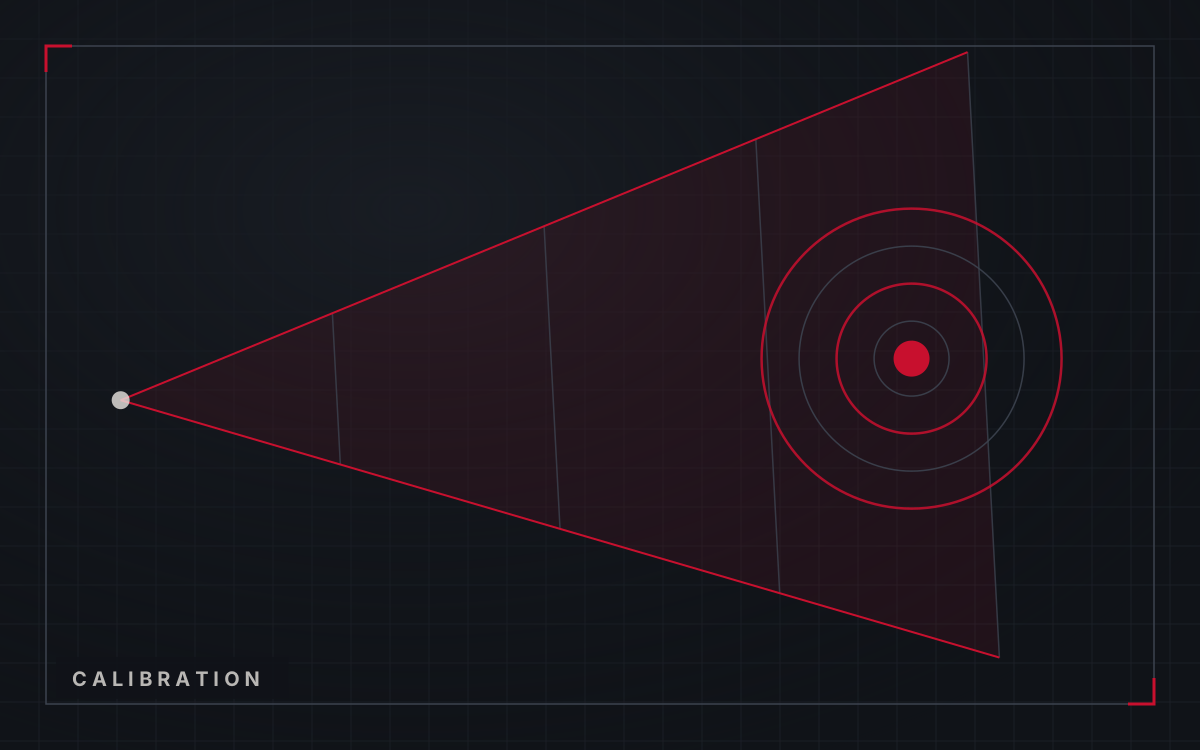
This isn't Honda's first pass at defining that boundary — it's the most literal one yet. Honda has been building toward exact language on this since at least its April 2024 position statement on AcuraWatch 360 bumper repairs, which introduced the term "radar wave emission range" (RWER) to describe the no-touch zone in front of the corner radar units on vehicles like the Acura MDX Type S. That statement told shops that cracks, dents, or gouges inside the RWER meant the bumper had to be replaced, not repaired — and that refinish material could not be blended into the zone even if the damage itself sat outside it. American Honda's own representative, John Peixoto, said at the time that the technology was only going to spread: "To the industry, this is only the beginning."
The broader Honda/Acura ADAS bumper guidance, tracked separately on I-CAR's RTS portal, adds more specifics that a template alone won't spell out. Around the Blind Spot Information (BSI) radar units, Honda's language is blunt: "Do not make any bumper repairs in the areas over or near the two radar units," because added material or thickness can interfere with radar operation, and paint film there is capped at 300 microns, with 200 preferred. For the front millimeter-wave radar, the rule is even simpler — if the radar cover is cracked or damaged, replace the cover and inspect the radar assembly behind it. There's no repair option on the table.
Why This Is Bigger Than One OEM's Paperwork
Honda isn't alone in drawing these lines, and that's the real story for anyone who calibrates more than one brand. BMW and Mini's own ADAS bumper guidance, also documented through I-CAR, sorts radar hardware into three generations by install date and states flatly that "no stickers or film (transparent or colored) must be attached in the areas permeated by radiation at the sensors" — with separate paint-cycle limits depending on which generation of sensor is behind the cover. Audi's position statement, summarized in the same I-CAR system, sets a hard cap of 150 microns of paint buildup and puts a 25-centimeter no-repair radius around its radar sensors.
Different numbers, same idea: as more bumper covers double as radar housings, "repair versus replace" is turning into a measurement problem instead of a craftsmanship problem. Honda's template is just the first version of that measurement you can print out and hold up to the panel.
What It Means for Your Shop
Pull the template before you write the estimate, not after. If you're quoting a bumper repair on a 2022-or-newer Honda or Acura, the RWER template belongs in the file before the customer signs anything. Writing a repair line for damage that turns out to sit inside the zone means rewriting the estimate, delaying the job, and possibly reopening a conversation with the insurer about why the first number was wrong.
Treat "near the sensor" as a replace decision by default. The days of eyeballing distance from a radar unit and making a call are closing. If the damage is anywhere close to a marked zone, measure it against the template rather than trusting instinct — Honda's language on the BSI and millimeter-wave units doesn't leave room for judgment calls once you're inside the restricted area.
Keep the template and photos in the repair file. A printed template with the damage measured against it, photographed and filed, is exactly the kind of documentation that holds up when an insurer questions a replace-not-repair line. It shows the decision was made against a manufacturer standard, not a guess.
Expect this on more than Honda and Acura. BMW, Mini, and Audi already publish their own version of the same restriction, even without a printable template yet. If you work multiple makes, build the habit now of checking for a non-repairable zone document before every bumper job on an ADAS-equipped vehicle — not just the ones you already know have a rule.
The Template Is a Preview, Not the Whole Story
Peixoto's comment from 2024 — that this was "only the beginning" — reads differently with a literal template now sitting in the manual. Corner radar, front-facing millimeter-wave units, and blind-spot sensors are only getting more common across model years, and every one of them turns a section of bumper cover into hardware that a heat gun and some filler can quietly disable. The industry's response so far has been position statements written in prose, open to interpretation about exactly where the line sits. A printable template closes that gap for one automaker. The shops that get ahead of this are the ones that start treating every ADAS-equipped bumper job as a measurement against the OEM's own document — before the next automaker publishes its version of the same ruler.
Sources
- Honda/Acura Bumper Cover - Non-Repairable Zone Templates — I-CAR Repairability Technical Support
- Bumper Cover Repair With ADAS: Honda/Acura - UPDATE — I-CAR Repairability Technical Support
- Honda Releases Position Statement on Bumper Cover Repairs for AcuraWatch 360 — Repairer Driven News
- Bumper Cover Repair With ADAS: BMW/Mini - UPDATE — I-CAR Repairability Technical Support
- Bumper Cover Repair With ADAS: Audi - UPDATE — I-CAR Repairability Technical Support
Working on something we should be covering? Send us the tip.